

What tools do you use for keyword research, anyway?
How are real SEOs finding the right keywords?”
That question changed everything.
Because once I stopped guessing — and started using data-driven tools — everything clicked.
Traffic grew.
And for the first time, SEO made sense.
In this post, I’m going to show you exactly what tools I use for keyword research today — and how they completely transformed my results.
Why Keyword Research Tools Matter More Than Ever
A few years ago, you could get away with basic SEO.
Write a post.
Sprinkle in a few keywords…
And you had a good shot at ranking.
Not anymore.
Today, Google’s algorithms are smarter than ever.
They don’t just look at whether a page mentions a keyword — they analyze search intent, topic depth, content structure, and user behavior.
If you’re guessing what keywords to target (like I used to), you’re already behind.
The importance of keyword research tools today can’t be overstated.
They aren’t “nice-to-haves” — they’re essential.
Without the right tools, you’re flying blind.
With the right tools, you’re making decisions based on real data:
- What people are actually searching for.
- How hard it will be to rank.
- What kind of content Google wants to rank for that keyword.
That’s why keyword research isn’t just step one — it’s the foundation of every successful SEO campaign.
And the good news?
You don’t need a dozen tools to do it.
You just need the right ones — the ones I’m about to share with you.
What Tools Do You Use for Keyword Research?
I use a mix of Semrush, Se Ranking, and Surfer for my keyword research.
Each tool plays a unique role in my strategy.
From discovering keyword opportunities, to tracking ranking performance, to optimizing content around search intent.
That’s the simple answer.
But if you want to know how I actually use them together to create content that ranks (and keeps ranking), here’s the full breakdown…
My Exact Keyword Research Stack (2025 Edition)
Here’s a breakdown of the exact tools I use daily — and more importantly, why I use them.
Semrush

Why I Use It:
When it comes to discovering high-value keyword opportunities, nothing beats Semrush.
It was the first tool I ever invested in — and to this day, it’s my go-to for deep keyword intel.
Features I Rely On Most:
- Keyword Magic Tool: Helps me uncover long-tail keywords, SERP features, and topic clusters that competitors often miss.
- Keyword Gap Tool: Lets me see exactly which keywords my competitors rank for — and which ones I’m missing.
semrushWhy It Works:
Semrush gives me the full picture.
Instead of guessing what might work, I start with what’s already working in my niche… and build from there.
That competitive edge changed everything for me.
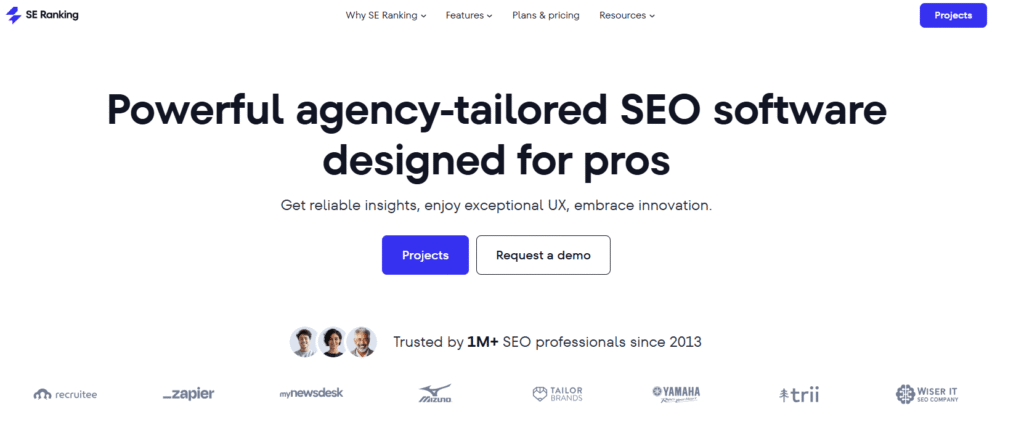
Se Ranking
Why I Use It:
Once I publish content, I need to know: is it ranking?
Is it improving?
Are there second-page opportunities I can optimize for?
That’s where Se Ranking comes in.
Key Features I Use:
- Real-Time Keyword Tracking: I track keyword movements daily so I can act quickly when positions change.
- Second-Page Opportunity Finder: It highlights content that’s almost ranking — perfect for low-effort, high-reward optimizations.
Why It Works:
This tool helps me win quick SEO battles. Instead of waiting and hoping, I know where to focus for fast visibility gains.
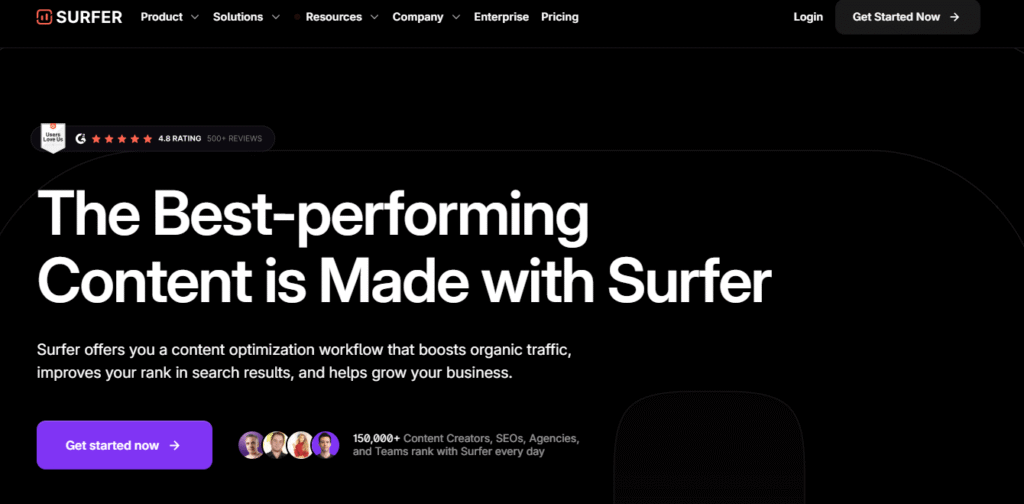
Surfer
Why I Use It:
Once I’ve chosen the right keywords, I need to create content that actually ranks.
That’s where Surfer becomes essential.
What I Use It For:
- Keyword Clustering: Groups related keywords so I can target multiple terms in one post.
- Content Editor + Score: Shows me exactly what to include (and how much) to outrank the top pages.
- Audit Tool: Helps me fix underperforming content fast.
Why It Works:
Surfer aligns my content with what Google already wants to rank.
It’s like having an on-page SEO checklist built into my writing process — and it’s saved me from tons of trial and error.
How I Use These Tools Together (Workflow Blueprint)
Now here’s the secret sauce.
How I combine these tools into one smooth, repeatable workflow:
Step 1: Discover Killer Keywords (Semrush)
I start every content plan by diving into Semrush.
I look for:
- Low-competition, high-intent keywords
- Keyword gaps vs. my competitors
- Long-tail clusters I can dominate
Step 2: Track and Win Quick SEO Battles (Se Ranking)
Once content is live.
I plug those target keywords into Se Ranking.
I:
- Monitor keyword movement daily
- Prioritize posts sitting on page 2
- Make small updates to push them to page 1
Step 3: Align Content with Google’s Expectations (Surfer)
Finally, I run everything through Surfer:
- Optimize new posts before publishing
- Audit older posts that aren’t performing
- Use content scores and NLP guidelines to improve relevancy
Together, this 3-tool system lets me go from keyword discovery to measurable results — faster than I ever could with guesswork.
Common Mistakes Beginners Make in Keyword Research
If you’re not getting the results you want from SEO, chances are you’re making at least one of these keyword research mistakes.
I know I did — for months.
Here’s what to look out for (and what to do instead):
Mistake #1: Choosing Only High-Volume Keywords
Big numbers look attractive… until you realize they’re brutally competitive.
Instead: Go for low-competition, high-intent keywords.
Tools like Semrush help you spot these golden opportunities most people overlook.
Mistake #2: Ignoring Search Intent
Targeting “SEO tips” when your reader actually wants “SEO tools for beginners”?
You’ll never convert.
Instead: Use Surfer to understand the real search intent — and craft content that solves exactly what people are looking for.
Mistake #3: Not Tracking Your Rankings
If you’re not measuring, you’re guessing.
And SEO doesn’t reward guesswork.
Instead: Use Se Ranking to track every move.
It shows you what’s working, what’s slipping, and where to double down.
Mistake #4: Relying on Just One Tool
No tool does everything.
And relying on just one is like trying to build a house with a single wrench.
Instead: Use a smart stack — one tool for research (Semrush), one for tracking (Se Ranking), and one for optimization (Surfer). That combo changed the game for me.
Results: What Happened When I Got Serious About My Tools
I didn’t double my traffic overnight.
But when I stopped guessing and started using the right tools consistently, the results became predictable.
Within 9 months:
- I tripled my organic traffic.
- Blog posts that used to sit on page 4 are now pulling in daily clicks from page 1.
- I cut my content production time in half — while doubling the results.
The best part?
I actually understand why my content ranks now. No more “publish and pray.”
This is what keyword research success really looks like: clarity, control, and compound growth over time.
Conclusion: Start Smart with the Right Tools
If you’re serious about SEO, you can’t afford to keep guessing.
Start with smart keyword research.
Track your progress.
Optimize based on what actually works.
That’s the system I follow — and it’s the same system I’d recommend to anyone starting today.
Here are the exact tools I use daily:
- Semrush – Keyword Discovery + Competitive Intel
- Se Ranking – Real-Time Keyword Tracking
- Surfer – Content Optimization + Clustering
Choose your tools wisely — and you’ll start seeing results faster than you think.
Because when you stop guessing and start using the right data, SEO becomes a lot more fun.
