

Today we will talk about global HR solutions & strategies.
Expanding globally sounds like the dream, right?
New markets.
Diverse talent.
Explosive growth.
But for most companies, that dream turns into a nightmare — fast.
Legal landmines.
Payroll chaos.
Compliance disasters you didn’t even see coming.
Here’s the thing: global HR management has changed forever.
The old ways simply don’t work anymore.
In this guide, you’ll discover:
- Why do most companies still fail when scaling globally?
- The hidden HR traps that nobody warns you about.
- The proven systems smart companies use to succeed (including a game-changing platform like Multiplier).
Let’s dive straight into the truth about global HR in 2025 — and how you can finally get it right.
What are Global HR Solutions?
Global HR solutions are services, platforms, or strategies designed to help businesses manage hiring, onboarding, compliance, payroll, and benefits for international employees in a legally compliant and efficient manner.

How to Successfully Implement a Global HR Solution?
- Assess your company’s global expansion needs.
- Choose a centralized HR management platform.
- Ensure compliance with international labor laws.
- Set up multi-currency payroll systems.
- Offer localized benefits packages.
- Streamline onboarding and employee engagement.
The Real Global HR Landscape in 2025 (And Why It’s More Complicated Than Ever)
Rapid Global Expansion Isn’t Optional Anymore
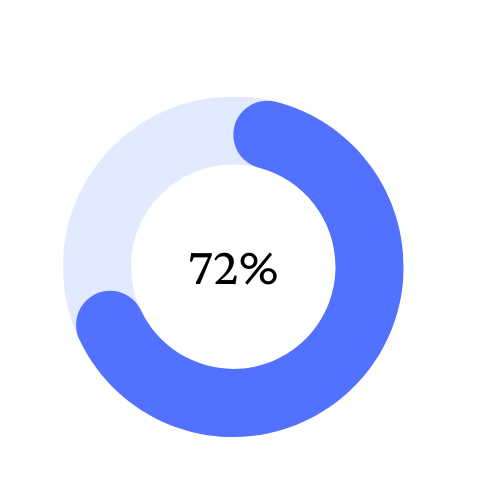
According to a 2024 Gartner report, 72% of mid-size companies now plan to operate internationally within the next 24 months.
Why?
- Global competition demands access to worldwide talent.
- Remote work unlocked endless hiring opportunities.
- Companies that hesitate lose market share — fast.
Simply put: if you’re not building globally, you’re falling behind.
Why Old-School HR Systems Are Breaking Down
Traditional HR setups weren’t built for global scale.
Here’s why they’re collapsing:
- Lack of Flexibility: Paper-heavy processes and region-specific methods slow everything down.
- Compliance Incompatibility: Old systems can’t keep up with 190+ evolving labor laws.
- Onboarding Bottlenecks: Manual onboarding processes lead to 3x longer hiring cycles.
Hidden Global HR Challenges No One Talks About
Constantly Changing Labor Laws Across Borders
Managing HR across multiple countries means facing:
- New tax regulations
- Employee classification rules
- Privacy laws like GDPR and Brazil’s LGPD
If you miss even one detail?
You’re staring down heavy fines or worse — a total shutdown of operations.
Multi-Currency Payroll Problems
Paying employees sounds simple… until you deal with:
- 7 different currencies.
- Constant forex rate shifts.
- Local tax deductions and contributions.
Manual errors here lead to delays, overpayments, and legal violations — all preventable.
Cultural Differences That Hurt Employee Retention
In Japan, long onboarding is expected.
In the U.S., slow onboarding feels insulting.
Cultural blind spots create friction.
High-performing global employees quit quietly — and your reputation takes a hit.
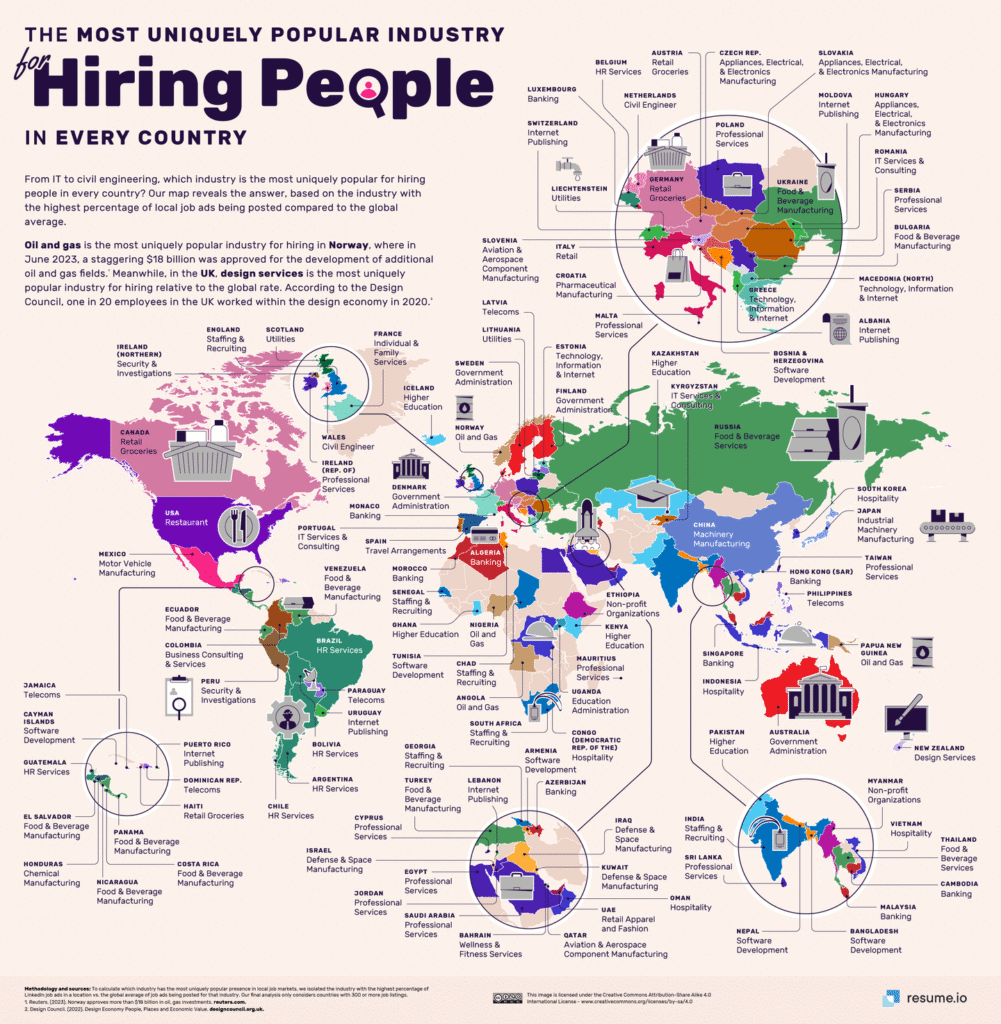
Why Most Global HR Strategies Fail (Before They Even Start)
Relying on Disconnected Local Partners
Partnering with local agencies can seem smart — until you realize:
- Each uses different compliance standards.
- Reporting is fragmented.
- Employee experience varies wildly country to country.
Building In-House International Teams Too Early
Hiring full in-house HR teams across countries sounds proactive but:
- It’s incredibly expensive.
- Legal expertise needs to be updated monthly.
- Scalability becomes impossible.
Underestimating Employee Experience Globally
First impressions matter.
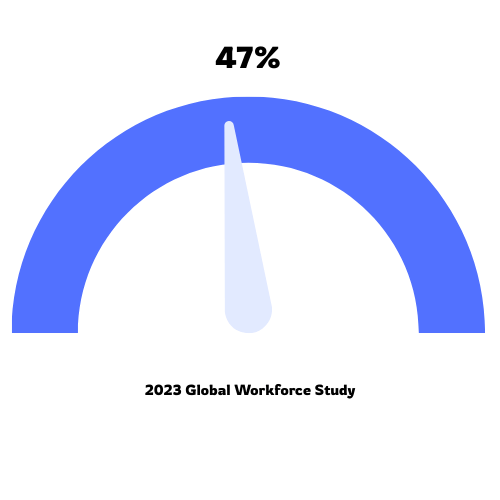
A 2023 Global Workforce Study found 47% of employees who had a bad onboarding experience left within their first year.
You can’t build a global empire if your new hires quit before their probation ends.
What Smart Companies Are Doing Differently in 2025
Centralizing Global HR Operations
Instead of dozens of separate local partners, top companies:
- Use one system for onboarding, payroll, compliance.
- Get real-time visibility across countries.
- Standardize employee experiences globally.
The result?
Faster scaling.
Less chaos.
Lower costs.
Leveraging Employer of Record (EOR) Services
What’s an EOR?
An Employer of Record (EOR) is a third party that:
- Legally hires employees on your behalf.
- Handles taxes, benefits, and compliance.
- Allows you to operate in new countries without setting up a legal entity.
Automating Compliance and Payroll Management
Instead of constantly chasing regulatory updates, smart companies automate:
- Tax calculations
- Labor law changes
- Benefits administration
Example:
A fast-growing SaaS company scaled from 2 countries to 12 within 18 months by partnering with an EOR platform, cutting legal costs by 47%.
A Modern Solution for Global HR: How Platforms Like Multiplier Are Changing the Game
What is Multiplier?
Multiplier is a new breed of global HR platform.
It allows businesses to:
- Hire employees legally across 150+ countries.
- Manage compliance automatically.
- Pay global teams in their local currency — without lifting a finger.
Key Problems Multiplier Solves Instantly
Here’s what Multiplier makes simple:
- Seamless Onboarding: Hire contractors and employees globally in a few clicks.
- 100% Compliance Assurance: Stay ahead of every tax, labor, and benefits law.
- Multi-Currency Global Payroll: Pay in 120+ currencies with no manual intervention.
- Localized Benefits: Offer competitive packages aligned with local expectations.
Real-World Use Case: Multiplier in Action
A U.S.-based fintech startup needed to hire 15 engineers across Europe and Asia within 3 months.
Using Multiplier:
- They onboarded employees in 7 countries without opening any local entities.
- Reduced onboarding time from 6 months to just 2 weeks.
- Stayed 100% compliant — no surprise audits, no penalties.
How to Choose the Right Global HR Solution for Your Company
Critical Features You Can’t Afford to Miss
When picking a global HR platform, demand:
- Full Compliance Management: Real-time updates on labor law changes.
- Multi-Currency Payroll: Local currency support and automatic tax deductions.
- Employee Benefits Management: Tailored packages for local norms.
- Localized Onboarding: Custom onboarding flows per country.
- User-Friendly Interface: If it’s not easy, your HR team won’t use it.
Final Thoughts: Global Expansion Without Global HR Nightmares
Global expansion is thrilling — but it comes with real risks if HR isn’t handled properly.
Imagine onboarding talented developers in Germany, marketing experts in Singapore, and finance specialists in Brazil — all without sweating compliance or local tax laws.
Global HR solutions like Multiplier make that dream a reality.
Don’t let HR chaos kill your global ambitions.
Choose smarter.
Scale faster.
Win globally.
