

In the dynamic world of digital marketing, having a reliable tool for reporting is essential.
These tools allow marketers to track their efforts, measure success, and refine strategies for better results.
But with so many options available, you might wonder: What tool do you use for reporting?
In this post, we’ll explore the importance of reporting tools, key features to look for, popular tools available, and tips for choosing the right one for your needs.
Let’s get started.
1. Importance of Reporting Tools in Marketing
Reporting tools play a crucial role in tracking marketing performance.
They provide valuable insights that help marketers make informed decisions and optimize their strategies.
By consolidating data from various sources, these tools offer a comprehensive view of your marketing efforts and their outcomes.
- Decision-Making: Accurate data helps in making strategic decisions.
- Strategy Optimization: Understanding what works and what doesn’t allows for fine-tuning your marketing strategies.
2. Key Features of an Effective Reporting Tool
When choosing a reporting tool, certain features are essential to ensure comprehensive tracking and analysis:
- Marketing KPIs: Track key performance indicators to measure the success of your campaigns.
- Audience Insights: Gain detailed information about your audience to tailor your marketing efforts.
- Paid Media Results: Monitor the performance of your paid media campaigns across different platforms.
- User Tracking: Track users based on their source and actions to understand their journey and behavior.
3. Popular Reporting Tools
Several reporting tools stand out for their comprehensive features and ease of use.
Here are a few popular options:
Google Analytics
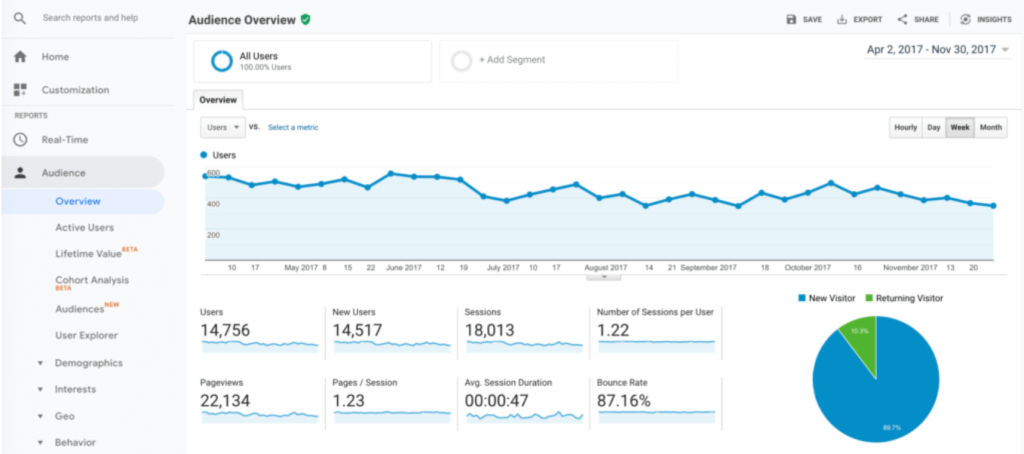
Google Analytics is one of the most widely used reporting tools for tracking website traffic and user behavior.
- Website Traffic: It provides detailed reports on website visits, including metrics like page views, bounce rates, and session durations.
- User Behavior: Track how users navigate through your site, which pages they visit, and how long they stay.
- Conversion Tracking: Measure the effectiveness of your marketing campaigns by tracking goals and conversions.
HubSpot
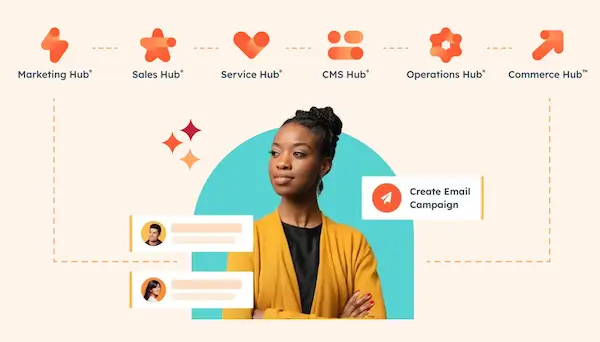
HubSpot is an all-in-one marketing platform that offers robust reporting features.
- Integrated Marketing Tools: It combines CRM, email marketing, social media management, and more, providing a unified view of your marketing efforts.
- Detailed Reports: Generate reports on email campaigns, landing pages, and social media performance.
- Lead Tracking: Monitor the journey of leads from initial contact to conversion, helping you understand the effectiveness of your sales funnel.
Tableau
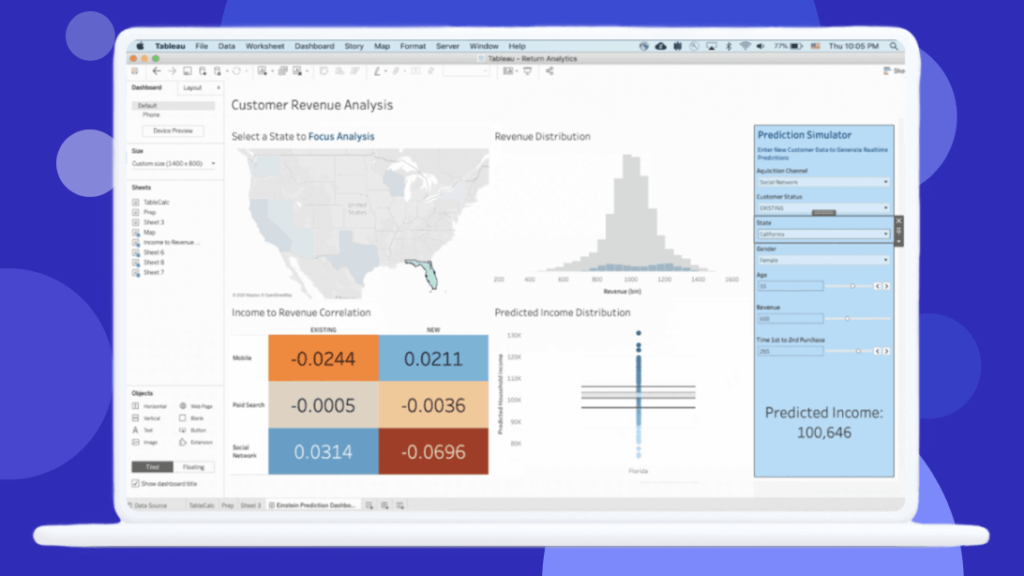
Tableau is renowned for its powerful data visualization capabilities.
- Data Visualization: Create interactive and visually appealing reports that make complex data easy to understand.
- Integration: Connect Tableau with various data sources, including Google Analytics, CRM systems, and databases.
- Customizable Dashboards: Design personalized dashboards to track the metrics that matter most to your business.
SEMrushsemrush
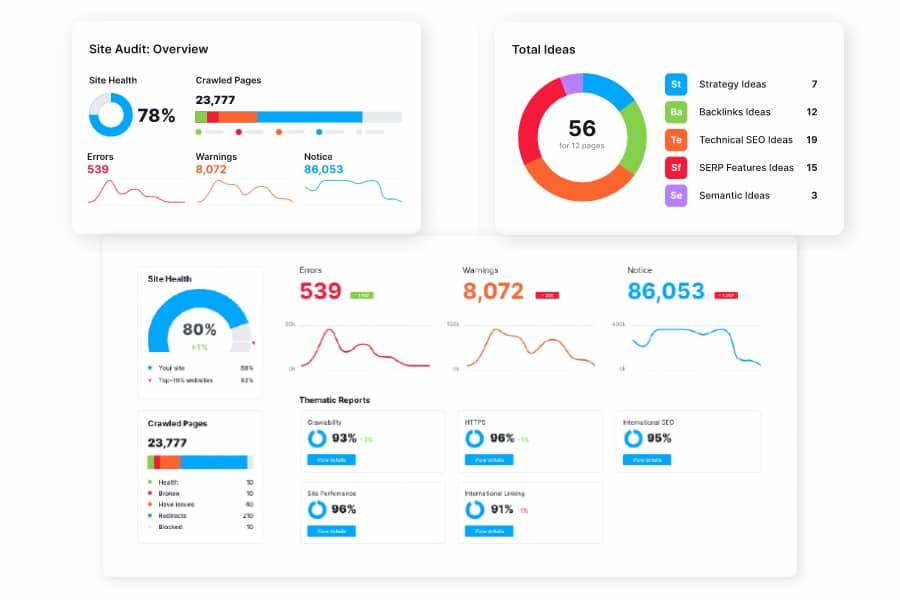
SEMrush offers extensive reporting tools for SEO and overall marketing performance.
- SEO Tracking: Monitor keyword rankings, backlinks, and site audits to optimize your SEO strategy.
- Competitive Analysis: Analyze your competitors’ strategies and performance to identify opportunities and threats.
- Comprehensive Reports: Generate detailed reports on website traffic, social media, content marketing, and paid search campaigns.
Google Data Studio
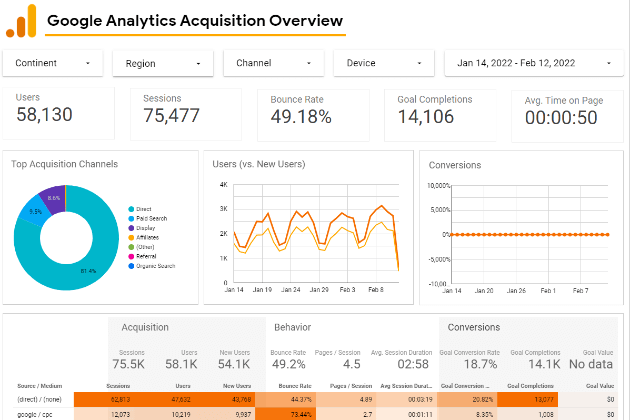
Google Data Studio is a free tool that allows for customizable reporting by integrating various data sources.
- Customizable Reports: Design and share interactive reports tailored to your specific needs.
- Integration: Easily connect with Google Analytics, Google Ads, and other data sources.
- Collaboration: Share reports with team members and stakeholders, allowing for real-time collaboration and feedback.
4. Detailed Breakdown of Key Features
Tracking Marketing KPIs
Marketing KPIs (Key Performance Indicators) are metrics that help you measure the effectiveness of your marketing efforts.
Reporting tools allow you to track various KPIs such as:
- Conversion Rates: Measure how many users complete a desired action.
- ROI: Calculate the return on investment for your marketing campaigns.
- Customer Acquisition Cost: Understand how much it costs to acquire a new customer.
Gaining Audience Insights
Audience insights are crucial for understanding who your customers are and what they want.
Effective reporting tools provide data on:
- Demographics: Age, gender, location, and more.
- Psychographics: Interests, values, and lifestyle.
- Behavioral Data: How users interact with your site and content.
Monitoring Paid Media Results
Tracking the performance of your paid media campaigns is essential for optimizing your ad spend.
Reporting tools help you analyze:
- Ad Performance: Click-through rates, impressions, and conversions.
- Platform-Specific Data: Performance metrics from platforms like Google Ads, Facebook Ads, and more.
- Cost Analysis: Understand the cost-effectiveness of your campaigns.
Tracking Users Based on Source and Action
Understanding where your users come from and what actions they take is vital for improving user experience and marketing strategies.
Reporting tools can help track:
- Traffic Sources: Organic, direct, referral, social, and paid traffic.
- User Actions: Page views, clicks, form submissions, and purchases.
- User Journeys: Track the entire journey from the first visit to conversion.
5. Choosing the Right Reporting Tool
When selecting a reporting tool, consider the following factors:
- Ease of Use: The tool should be user-friendly and easy to navigate.
- Integration Capabilities: Ensure it integrates with your existing marketing platforms and data sources.
- Customization Options: Look for tools that offer customizable reports and dashboards.
- Pricing: Choose a tool that fits within your budget while offering the necessary features.
Conclusion
Choosing the right tool for reporting is essential for effective marketing.
By tracking Marketing KPIs, gaining Audience Insights, monitoring Paid Media Results, and tracking Users Based on Source and Action, you can make data-driven decisions to enhance your marketing strategies.
Evaluate your needs, explore the features of various tools, and select the one that best fits your requirements.
If you have any questions or need further advice, feel free to comment below.
Happy reporting!
